Top 10 Medical Billing Denial Codes in 2025
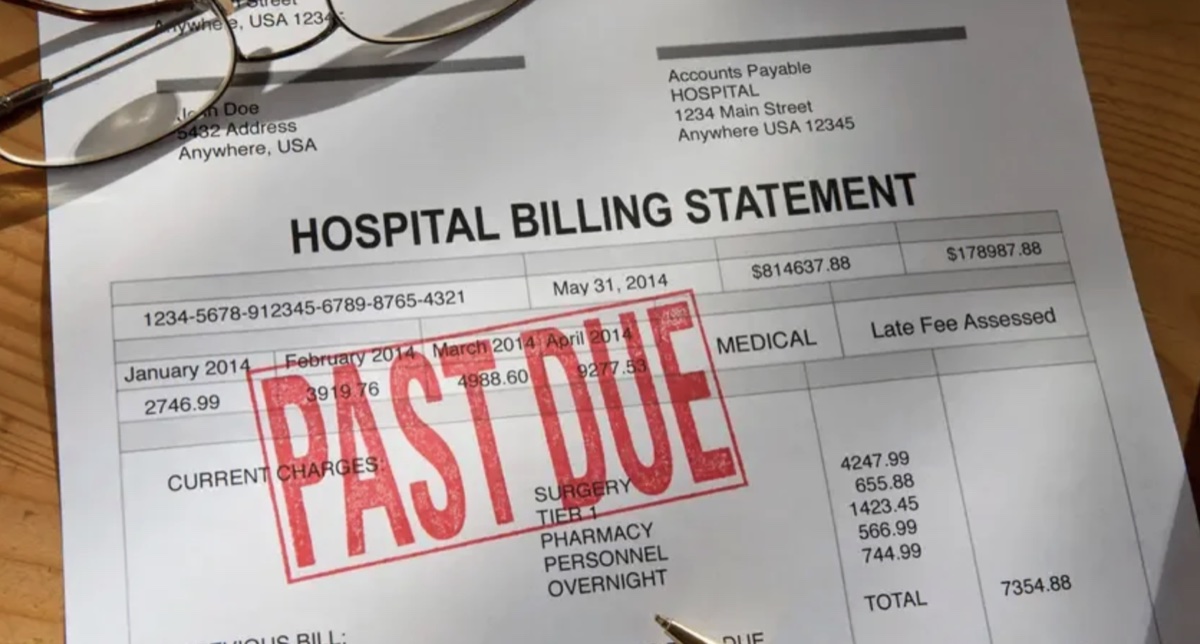
Executive Summary: Medical billing denials cost U.S. healthcare $262 billion annually. E&M codes account for 70-80% of all denials, with 99214 and 99215 seeing 25-40% denial rates in post-payment audits. A 3-physician practice loses $45,000-112,500 annually to denials, with 30-40% written off permanently. The fix: exact time documentation, explicit MDM elements, patient-specific notes. Appeals succeed 60-70% of the time but consume 40-60 hours of staff time monthly.
Medical billing denials cost U.S. healthcare providers an estimated $262 billion annually. While some denials stem from eligibility or authorization issues, a significant portion—roughly 30-40%—involve improper coding or insufficient documentation for the services billed.
After analyzing denial patterns across 168 commonly billed CPT codes through our Bill Analyzer research, we’ve identified the procedures most likely to trigger claim denials in 2025. Understanding these high-risk codes and why they get denied helps practices prevent revenue loss and reduce the administrative burden of appeals.
Calculate Your Risk: Use our Medicare Payment & RVU Calculator to understand the exact financial impact of denied claims. When you know the revenue at stake for each code, you can prioritize your audit defense efforts and documentation improvements.
What a Denied Claim Actually Costs
A denied claim isn’t just delayed revenue. It compounds:
Initial denial means lost revenue for 30-90 days until resolved. Staff spend 15-30 hours per audit response. Appeal work requires additional documentation, resubmission, follow-up calls. Time spent fighting denials is time not spent seeing patients. And 50-65% of denials never get appealed—practices just write them off.
Most denials are preventable with proper documentation.
Top 10 Most Commonly Denied CPT Codes
Based on Bill Analyzer research covering denial patterns, appeal probabilities, and payer audit trends, here are the procedure codes most likely to trigger claim denials in 2025. Browse all 329 CPT codes →
1. CPT 99214 - Office Visit, Established Patient, Level 4
Volume: One of the top 3 most frequently billed E&M codes in primary care
Denial Rate: Estimated 25-35% in post-payment audits (HHS Medicare improper payment data)
Why It Gets Denied:
- Insufficient documentation for moderate complexity medical decision-making (MDM)
- Missing evidence of “moderate” problems, data review, or risk level
- Copy-pasted notes from previous visits
- Time-based coding without clear total time documentation (30-39 minutes required)
- Chronic stable conditions documented without evidence of medication adjustments or test review
Common Denial Reasons:
- “Upcoding - insufficient documentation for moderate MDM”
- “Missing total time documentation (time-based coding)”
- “Medical necessity not established for level of service”
How to Prevent:
- Document 2 of 3 MDM elements clearly: moderate problems addressed, moderate data reviewed, moderate risk present
- For time-based coding: document start/end time or total minutes (30-39 min for 99214)
- Avoid copy-paste templates; document current visit specifics
- Show active management: medication changes, test ordering, specialist coordination
Appeal Strategy (Medium probability): Provider must demonstrate moderate MDM with enhanced documentation showing multiple problems addressed, data reviewed and considered, and moderate risk present. Success requires specific documentation, not general assertions.
Financial Impact: Downgrades to 99213 result in ~$50-75 reimbursement loss per claim. Calculate exact reimbursement →
2. CPT 99215 - Office Visit, Established Patient, Level 5
Volume: Highest-level outpatient E&M code; should represent 5-10% of established visits
Denial Rate: Estimated 35-45% in audits (highest scrutiny due to high reimbursement)
Why It Gets Denied:
- Documentation doesn’t support “high complexity” medical decision-making
- Insufficient evidence of extensive data review or high-risk management
- Overuse relative to practice mix (payers flag practices billing >15% of visits as 99215)
- Time-based coding without documentation of 40-54 minutes total time
- Multiple chronic conditions documented without clear decision-making complexity
Common Denial Reasons:
- “Upcoding - documentation does not support high complexity MDM”
- “Frequency exceeds expected utilization pattern”
- “Missing documentation of extensive data review or high-risk decisions”
How to Prevent:
- Reserve 99215 for truly high-complexity visits: unstable chronic conditions, high-risk medications, extensive workup
- Document extensive data review: multiple prior records, imaging, labs reviewed and integrated into plan
- Show high-risk decision-making: decisions involving urgent hospitalization, drug interactions, contraindications
- For time-based: clearly document 40-54 minutes total time with specific activities
Understanding RVU Values:
Higher RVU codes face more scrutiny because they represent higher reimbursement. Use the Medicare Payment & RVU Calculator to see exactly how much revenue is at stake:
- 99215: 3.05 total RVUs = ~$99 Medicare payment
- 99214: 2.11 total RVUs = ~$68 Medicare payment
- 99213: 1.30 total RVUs = ~$42 Medicare payment
- Difference between 99215 and 99214: ~$31 per encounter
This $31 difference is why auditors closely examine 99215 coding. Understanding the RVU structure helps justify your code selection and prioritize documentation quality for higher-level codes.
Appeal Strategy (Low to Medium probability): Must provide concrete evidence of high complexity: documented review of multiple external records, high-risk prescriptions with contraindication management, or urgent clinical decisions. Payers are skeptical; documentation must be ironclad.
Financial Impact: Downgrades to 99214 result in ~$75-100 reimbursement loss per claim
Learn more about CPT 99215 → | Calculate reimbursement →
3. CPT 99213 - Office Visit, Established Patient, Level 3
Volume: The single most commonly billed E&M code in primary care (40-50% of office visits)
Denial Rate: Estimated 15-25% in audits
Why It Gets Denied:
- Insufficient documentation for “low complexity” MDM or missing time documentation (20-29 min)
- Incorrect patient classification (patient not seen in 3+ years should be coded as new patient)
- Bundled with same-day procedure without Modifier 25
- Copy-pasted notes without evidence of current encounter
- Chronic disease follow-up lacking discussion of management options
Common Denial Reasons:
- “Insufficient documentation for level of service”
- “Incorrect patient classification (new vs established)”
- “Bundled with same-day procedure” (missing Modifier 25)
How to Prevent:
- Document total time (20-29 min) OR clear low-complexity MDM elements
- Verify patient seen within past 36 months by same specialty in practice
- Use Modifier 25 when E&M is separate from same-day procedure
- Document specific assessment and plan for current visit
Appeal Strategy (High probability): Add time documentation or more detailed MDM elements. Most payers accept appeals with enhanced notes within 30-60 days. Success rate 70-80% with proper documentation additions.
Financial Impact: Downgrades to 99212 result in ~$40-60 reimbursement loss per claim
4. CPT 99490 - Chronic Care Management, First 20 Minutes
Volume: Growing rapidly due to Medicare payment increases for CCM services
Denial Rate: Estimated 20-30% for practices new to CCM billing
Why It Gets Denied:
- Missing required care plan documentation
- Insufficient non-face-to-face time documentation (must be at least 20 minutes)
- Patient consent not obtained or not documented
- Services provided by non-clinical staff without physician oversight
- Time not clearly separated from other billable services
- Missing documentation of coordination activities
Common Denial Reasons:
- “Care plan not documented or provided to patient”
- “Insufficient documentation of 20 minutes non-face-to-face time”
- “Patient consent for CCM not documented”
How to Prevent:
- Obtain and document patient consent before first CCM bill
- Create comprehensive care plan within required timeframe
- Track time meticulously: document specific activities and duration
- Ensure physician oversight of non-physician staff activities
- Provide care plan to patient (documented delivery required)
Appeal Strategy (Medium probability): Provide evidence of comprehensive care plan, documented patient consent, and time logs showing 20+ minutes of qualifying activities. Success requires detailed time tracking system.
Financial Impact: Full denial results in ~$43 reimbursement loss per month per patient
5. CPT 99395 - Preventive Visit, Established Patient, Ages 18-39
Volume: High-volume preventive code; incentivized by quality programs
Denial Rate: Estimated 10-20% when paired with problem-oriented E&M
Why It Gets Denied:
- Missing Modifier 25 when billing same-day problem-oriented E&M (99213, 99214)
- Problem-oriented E&M not “significant and separately identifiable”
- Insufficient documentation distinguishing preventive from problem-focused elements
- Same-day procedure bundled incorrectly
- Patient had preventive visit within past 365 days
Common Denial Reasons:
- “Same-day problem-oriented E/M not separately identifiable”
- “Preventive visit bundled with same-day service”
- “Frequency limit - preventive visit within past year”
How to Prevent:
- Use Modifier 25 on same-day problem-oriented E&M code (NOT on 99395)
- Clearly document separate problem(s) addressed beyond preventive screening
- Ensure problem addressed requires significant additional work/time
- Verify patient’s last preventive visit date before scheduling
Appeal Strategy (Medium to High probability): Demonstrate that problem-oriented service was significant and separately identifiable. Must show problem addressed was distinct from routine preventive screening and required substantial additional physician work.
Financial Impact: Denial of same-day 99213/99214 results in $75-125 revenue loss per visit
Learn more about CPT 99395 → | All CPT codes →
6. CPT 99385 - Preventive Visit, New Patient, Ages 18-39
Volume: Lower than established preventive visits but growing with practice expansion
Denial Rate: Estimated 10-15%, primarily same-day E&M bundling issues
Why It Gets Denied:
- Same reasons as 99395 (established preventive)
- Incorrect new patient classification (patient seen by different provider in same group within 3 years)
- Billing error: preventive code used when encounter was actually problem-focused
Common Denial Reasons:
- “Patient not classified as new (seen within past 3 years by same specialty)”
- “Same-day problem-oriented E/M not separately identifiable”
How to Prevent:
- Verify patient truly new to practice (no visit by same specialty in 36 months)
- Apply same-day E&M coding rules as with 99395
- Document preventive nature of visit clearly
Appeal Strategy (Medium to High probability): Provide documentation that patient meets “new” definition or demonstrate same-day E&M was separately identifiable. Similar to 99395 appeals.
Financial Impact: Denial of same-day problem E&M results in similar revenue loss as 99395
7. CPT 99204 - Office Visit, New Patient, Level 4
Volume: Moderate; represents 20-30% of new patient visits in primary care
Denial Rate: Estimated 20-30% in audits
Why It Gets Denied:
- Documentation insufficient for moderate complexity MDM
- Incorrect new patient classification
- Time-based coding without clear 45-59 minute documentation
- Overutilization flags (payers expect majority of new patients to be 99203 or lower)
Common Denial Reasons:
- “Upcoding - documentation does not support moderate complexity for new patient”
- “Incorrect patient classification (patient seen within 3 years)”
How to Prevent:
- Document moderate MDM elements clearly for new patient visit
- Verify patient meets “new” definition (no encounter within 36 months)
- For time-based coding: document 45-59 minutes total time
- Reserve for truly complex new patients; most new patients should be 99203 or lower
Appeal Strategy (Medium probability): Demonstrate moderate MDM with comprehensive documentation of problems addressed, data reviewed, and moderate risk. New patient status may need verification with prior practice records.
Financial Impact: Downgrades to 99203 result in ~$65-85 reimbursement loss per claim
8. CPT 99203 - Office Visit, New Patient, Level 3
Volume: Highest-volume new patient E&M code (40-50% of new patient visits)
Denial Rate: Estimated 10-20% in audits
Why It Gets Denied:
- Incorrect patient classification (patient actually established)
- Insufficient documentation for low complexity MDM or 30-44 minutes time
- Same-day procedure bundling without Modifier 25
Common Denial Reasons:
- “Patient not classified as new (seen by same specialty in past 3 years)”
- “Insufficient documentation for level 3 new patient visit”
How to Prevent:
- Verify new patient status before billing
- Document low-complexity MDM or 30-44 minutes total time
- Use Modifier 25 for same-day procedures as appropriate
Appeal Strategy (High probability): Provide documentation of new patient status or enhance MDM/time documentation. Relatively straightforward appeals if documentation supports level.
Financial Impact: Downgrades to 99202 result in ~$55-70 reimbursement loss per claim
9. CPT 99211 - Office Visit, Established Patient, Level 1
Volume: Lower than other E&M levels but important for nurse visits and simple follow-ups
Denial Rate: Estimated 15-25%, primarily medical necessity issues
Why It Gets Denied:
- Medical necessity not established for visit
- Service provided by nurse but billed as physician service without adequate supervision
- Should have been bundled into global period of recent procedure
- Documentation shows visit complexity higher than 99211 (should be 99212 or higher)
Common Denial Reasons:
- “Medical necessity not established”
- “Service provided by non-physician without adequate supervision documentation”
- “Visit within global period of recent procedure”
How to Prevent:
- Document clear medical necessity for visit (not administrative only)
- Ensure physician supervision documented for nurse-only visits
- Check global period of recent procedures before billing
- If visit is more complex, code appropriately (99212 or higher)
Appeal Strategy (Medium probability): Demonstrate medical necessity and appropriate physician supervision. Success depends on clear documentation that visit addressed medical issue, not just administrative matters.
Financial Impact: Full denial results in ~$25-35 revenue loss per visit
10. CPT 99212 - Office Visit, Established Patient, Level 2
Volume: Moderate; represents 15-25% of established office visits
Denial Rate: Estimated 10-15% in audits
Why It Gets Denied:
- Visit complexity actually higher (should be 99213)
- Insufficient documentation for straightforward MDM or 10-19 minutes time
- Missing medical necessity for visit
- Same-day bundling issues
Common Denial Reasons:
- “Insufficient documentation for level of service”
- “Medical necessity not established”
How to Prevent:
- Document straightforward MDM or 10-19 minutes total time
- Ensure medical necessity clear in documentation
- Consider if visit actually qualifies for 99213 based on complexity
Appeal Strategy (High probability): Add time documentation or clarify medical necessity. Success rate high for straightforward documentation additions.
Financial Impact: Downgrades to 99211 result in ~$30-45 reimbursement loss per claim
What These Denials Have in Common
Five patterns show up across all 10 codes:
Time documentation missing. The 2021 E&M coding changes allow time-based coding, but many providers don’t document total time. Note start/end times or total minutes. Prevents denials.
MDM elements vague. Payers want clear documentation of MDM complexity. Generic statements like “complex patient” fail audits. Document specific problems addressed, data reviewed, and risk level.
Patient classification wrong. The 3-year rule is strictly enforced. Incorrectly classifying patients triggers automatic denials. Verify status before billing.
Same-day bundling unclear. Preventive visits with same-day problem-oriented E&M need careful documentation. Modifier 25 alone isn’t enough—documentation must show separately identifiable work.
Copy-paste notes obvious. Auditors spot copy-pasted documentation immediately. Each visit must show current encounter-specific information.
How OrbDoc Prevents Denials
Practices lose thousands monthly to denials caused by incomplete documentation. OrbDoc addresses this at the source.
Evidence-linking creates claim-level audio timestamps. Every billed service links back to the exact conversation moment. Audit response time: 90-120 minutes (60 seconds package generation) instead of 15-30 hours. See evidence-linking audit defense →
Automatic CPT code suggestions based on documentation. OrbDoc analyzes problems addressed, data reviewed, time spent, and risk level. Suggests appropriate codes. Prevents upcoding denials by ensuring code selection matches documentation.
7-year audio retention for Medicare audits. Medicare can request documentation up to 7 years post-service. OrbDoc maintains tamper-proof audio archives. Long-term audit defense that paper documentation can’t match. See medical coding features →
When You Get a Denial
Review the denial reason. Understand exactly what documentation the payer claims is missing.
Compare it to your documentation. Identify specific gaps: time, MDM elements, patient classification.
Enhance documentation if you’re still within the correction period. Add missing elements.
Submit your appeal with evidence. Include enhanced notes, time logs, or supporting records.
Track denial patterns. If the same code gets denied repeatedly, adjust your documentation practices.
What This Costs a 3-Physician Practice
50-75 denied claims per month at $75-125 per claim. That’s $3,750-9,375 monthly revenue at risk. $45,000-112,500 annually.
Staff spend 40-60 hours per month on appeals. Appeal success rate is 60-70%, meaning 30-40% get written off. Upload a bill to see denial patterns →
With OrbDoc’s evidence-linking technology, audit response time drops from 15-30 hours to 90-120 minutes (60 seconds package generation + review/submission). Documentation completeness increases from typical 70-80% to 95%+. Preventable denials drop 40-60%. Annual revenue protected: $18,000-67,500.
Frequently Asked Questions
What are the top medical billing denial codes in 2025?
The top 10 denial codes in 2025 are: 99214 (Level 4 Office Visit), 99215 (Level 5 Office Visit), 99213 (Level 3 Office Visit), 99232 (Subsequent Hospital Care), 99233 (Subsequent Hospital Care High), 99204 (New Patient Level 4), 99205 (New Patient Level 5), 99223 (Initial Hospital Care High), 99285 (Emergency High Severity), and 99284 (Emergency Moderate-High Severity). E&M codes account for 70-80% of all denials.
Why do 99214 and 99215 get denied so often?
99214 and 99215 denials occur because payers audit them aggressively (30-40% denial rates) due to time documentation requirements and medical decision-making (MDM) complexity. Common reasons include missing total time documentation, vague MDM elements (risk assessment, data reviewed), insufficient patient complexity justification, and copy-paste documentation that lacks specificity.
How much money do practices lose to billing denials annually?
A typical 3-physician practice loses $45,000-112,500 annually to claim denials. With 50-75 denied claims monthly at $75-125 per claim, practices face $3,750-9,375 monthly revenue at risk. Staff spend 40-60 hours monthly on appeals with only 60-70% success rates, meaning 30-40% of denied claims get written off permanently.
What documentation prevents E&M code denials?
Denial-proof E&M documentation requires: exact total encounter time (not ranges), explicit MDM elements (number/complexity of problems, data reviewed, risk of complications), clear patient status classification (new vs established, inpatient vs observation), specific visit context (same-day bundling rules), and unique patient-specific details (not template copy-paste). Evidence-linked documentation automatically captures these requirements.
How can I reduce medical billing denials in my practice?
Reduce denials by: (1) documenting exact total time for time-based codes, (2) explicitly stating MDM elements (problems addressed, data reviewed, risk assessed), (3) avoiding copy-paste notes that trigger pattern audits, (4) using AI documentation that captures billing requirements automatically, (5) implementing pre-claim scrubbing before submission, and (6) tracking denial patterns to identify systematic issues.
What is the appeal success rate for denied medical claims?
Medical claim appeals succeed 60-70% of the time, but require 40-60 hours of staff time monthly for a typical 3-physician practice. This means 30-40% of denied claims are written off permanently despite appeal efforts. Practices with evidence-linking technology reduce appeal time from 15-30 hours to 90-120 minutes (60 seconds package generation + review/submission) per audit by linking claims directly to conversation audio.
How does AI documentation help prevent billing denials?
AI medical documentation prevents denials by: automatically documenting exact encounter time, explicitly capturing MDM elements as they’re discussed, generating patient-specific notes (not template copy-paste), suggesting appropriate CPT code levels based on documentation, and creating evidence trails linking every statement to conversation timestamps. Practices report 40-60% reductions in preventable denials.
What should I do if my practice gets a high-volume audit?
For high-volume audits: (1) respond within 30-45 days to avoid automatic denials, (2) prioritize high-value claims first, (3) provide complete documentation including visit notes, time logs, and medical decision-making justification, (4) use evidence-linking to provide audio proof of documented services (reduces response time from 15-30 hours to 90-120 minutes (60 seconds package generation + review/submission)), and (5) identify patterns to prevent future denials.
Bottom Line
E&M codes dominate the denial list. The same five issues cause most denials: missing time documentation, vague MDM elements, patient classification errors, unclear same-day bundling, and copy-paste notes.
Proper documentation prevents most denials. OrbDoc’s evidence-linking technology lets practices generate audit defense packages in 60 seconds (total response 90-120 minutes) instead of 15-30 hours, automatically documents time and MDM elements, and links every claim to audio proof.
Request a demo to see how practices reduce denials by 40-60%.
Additional Resources
- Bill Analyzer - Upload medical bills to analyze denial patterns and billing accuracy
- Medicare Payment & RVU Calculator - Calculate exact reimbursement for CPT codes by location
- Complete CPT Code Database - Browse all 329 procedure codes with denial intelligence
- ICD-10 Code Database - Pair appropriate diagnoses with procedures
- Medical Coding Automation - How AI suggests appropriate CPT codes
- Evidence-Linking Audit Defense - 60-second audit package generation (total response 90-120 minutes) technology
- Medicare Billing Optimization - Capture full reimbursement for services provided
Related Reading
Understanding the Codes on Your Medical Bill
CPT, HCPCS, revenue codes, modifiers—your medical bill is full of numbers and letters. Here's what they mean and how to use them to spot billing errors.
The 80% Problem: Why Most Medical Bills Are Wrong
Up to 80% of medical bills contain errors. A practical guide for patients disputing overcharges and clinicians protecting their practice reputation.
How to Check Your Medical Bill for Errors
Step-by-step guide to finding billing errors, comparing charges to Medicare rates, and knowing when to dispute. Free tool included.
NBC News Investigated Hospital Costs. Here Is What Patients Can Do Next.
OrbDoc helped analyze hospital pricing for NBC News using 209,761 CMS hospital-service records across 3,236 hospitals. Here is what the data shows, what it does not show, and what patients can do with their own bills today.
Next Step
Continue from this guide with practical tools or a product workflow fit check.